How to Inspect a Rental ATV: A Complete Guide.
Article Structure
Renting an ATV is a thrilling way to explore off-road trails and enjoy outdoor adventures. However, before you start your journey, it's essential to inspect your rental ATV to ensure safety and reliability. This guide will walk you through how to inspect a rental ATV, ensuring a smooth and safe ride. Whether you're an experienced rider or a first-timer, conducting a thorough inspection can prevent potential issues and guarantee a memorable experience.
Examine the Exterior Condition
Start your inspection by checking the ATV's exterior for any visible damage. Look for dents, scratches, or cracks, particularly on the frame, fenders, and handlebars. These areas often bear the brunt of impacts and are crucial for your safety. If you notice any significant damage, report it to the rental provider before taking the ATV out. For example, a bent handlebar might seem minor, but it can affect steering precision during your ride.
Test the Lights and Electrical Components
Ensure all lights, including headlights, taillights, and brake lights, are functioning correctly. A fully operational electrical system is vital for your safety, especially if you plan to ride in low-light conditions.
- Check that the headlights turn on and off without flickering.
- Verify that the taillights are illuminated and responsive to braking.
- Confirm that the brake lights activate when the brakes are applied.
- Inspect the instrument panel for any warning lights or error messages.
Imagine riding as dusk falls, only to find your headlights non-functional, highlighting the importance of this check.
Inspect the Tires
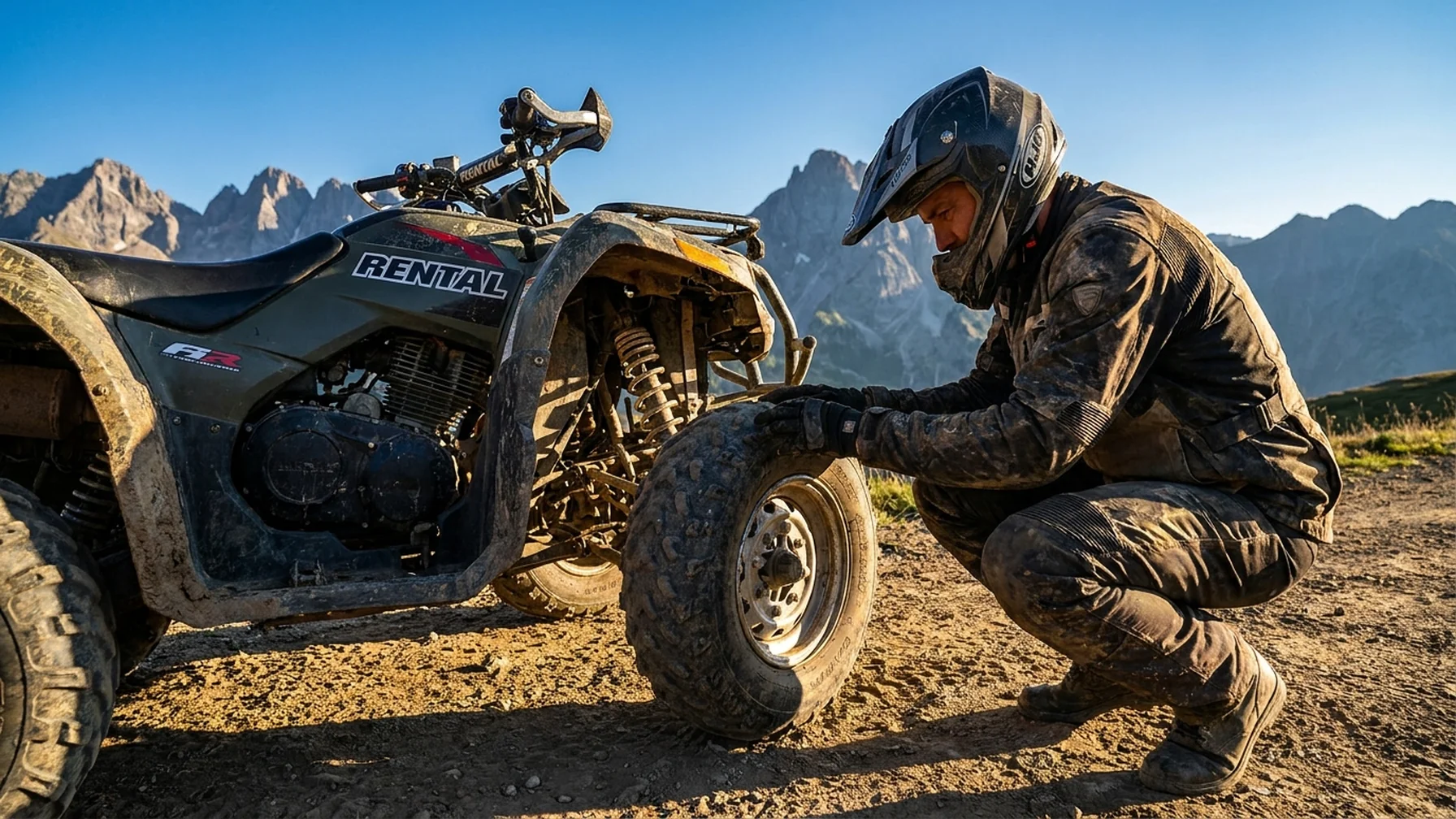
Next, check the condition of the tires. Ensure they are properly inflated and have sufficient tread for gripping off-road surfaces. Tires with low tread can compromise your ATV's performance and safety. Also, look for any cuts or punctures that could lead to a flat tire during your ride. Considering the scenario where an ATV tire blows out mid-ride due to unnoticed wear, checking tires can prevent such mishaps.
Examine the Brakes
Brakes are essential for controlling your ATV, especially on rugged terrain. Test both the front and rear brakes to make sure they engage smoothly without sticking or requiring excessive force. If the brakes feel spongy or make unusual noises, inform the rental company before proceeding. Imagine navigating a steep downhill trail only to find the brakes unresponsive; early detection of brake issues is vital to prevent such dangerous situations.
Check the Throttle and Steering
The throttle and steering should operate smoothly and without hesitation. Test the throttle response by gently revving the engine. It should accelerate smoothly without any jerking. Ensure the handlebars turn easily and return to the center position when released. Any stiffness or resistance could indicate a problem with the steering system. For example, if the throttle sticks, it could cause unintended acceleration, posing a serious risk on narrow trails.
Assess the Engine and Fluid Levels
Open the engine compartment and check for any leaks or unusual smells. Inspect the oil, coolant, and brake fluid levels. These should be at the recommended levels according to the manufacturer's indicators. Low fluid levels could lead to engine damage or poor performance. A real-world scenario includes an overheated engine due to low coolant levels, which could leave you stranded far from help.
Review the Rental Agreement
Before finalizing your rental, thoroughly review the rental agreement. Understand the terms and conditions, including any liabilities for damage or breakdowns. Familiarize yourself with the rental provider's emergency contact information and procedures in case of an issue during your ride. For instance, knowing the rental company's policy on breakdowns can save you from unexpected charges if your ATV stops working mid-trail.
Conduct a Safety Gear Check
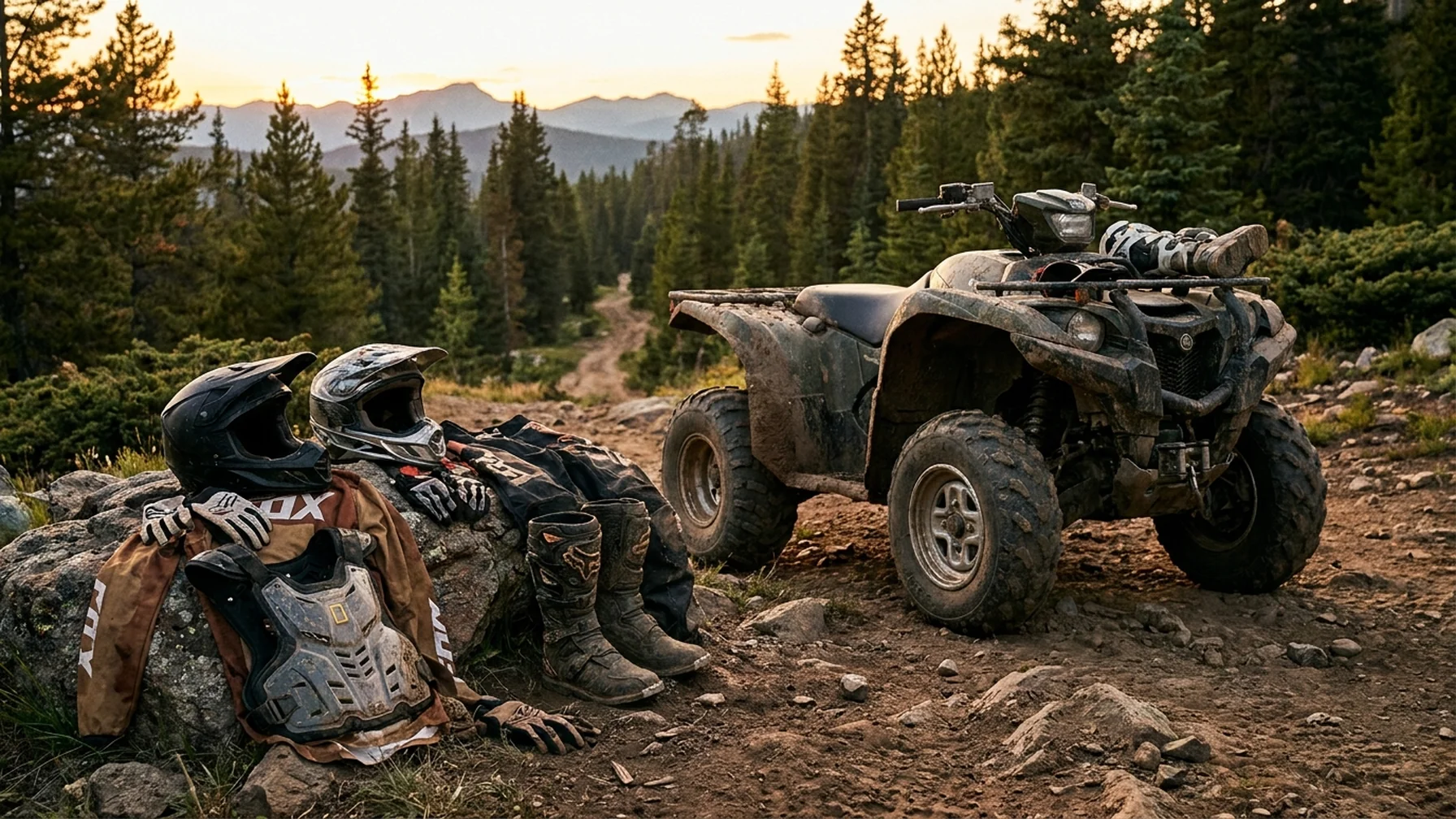
While not part of the ATV itself, ensuring you have the appropriate safety gear is essential. Wear a helmet, gloves, and sturdy boots to protect yourself while riding. Consider additional protective gear like goggles and body armor for enhanced safety on challenging trails. Picture a scenario where dust and debris impair your vision, underscoring the importance of goggles for eye protection.
Final Pre-Ride Checklist
- Verify the ATV's exterior for damage
- Check tire pressure and tread
- Test brakes for responsiveness
- Ensure smooth throttle and steering
- Confirm fluid levels are adequate
- Check lights and electrical components
- Review rental agreement terms
- Equip yourself with safety gear
Completing this inspection will help you feel confident and prepared for your off-road adventure. With everything in check, you can focus on enjoying the thrill of the ride, knowing your rental ATV is safe and ready for the trails. By taking these precautions, you minimize the risk of unexpected issues, allowing you to make the most of your outdoor experience.
Inspection Checklist Table
The table below summarizes the key areas to inspect on a rental ATV, ensuring you cover all crucial aspects before your ride.
| Inspection Area | Key Actions |
|---|---|
| Exterior | Check for dents, scratches, cracks |
| Lights & Electrical | Test headlights, taillights, brake lights |
| Tires | Check inflation, tread wear, punctures |
| Brakes | Test responsiveness, listen for noises |
| Throttle & Steering | Ensure smooth operation and control |
| Engine & Fluids | Inspect levels and check for leaks |
| Rental Agreement | Review terms and conditions |
| Safety Gear | Wear helmet, gloves, boots |
By following this comprehensive guide and checklist, you can ensure your rental ATV is in excellent condition, providing a safe and enjoyable off-road adventure.