Essential ATV Maintenance Tips for New Owners.
Article Structure
As a new ATV owner, understanding the basics of ATV maintenance is crucial for ensuring a safe and enjoyable off-road experience. Whether you're gearing up for your first trail ride or just invested in your first ATV, this guide will help you keep your vehicle in top shape. Regular maintenance not only extends the life of your ATV but also enhances performance and reliability. In this comprehensive guide, we'll explore essential maintenance tips, safety considerations, and preparation advice to help you hit the trails with confidence.
Getting Started: Basic ATV Maintenance Checklist
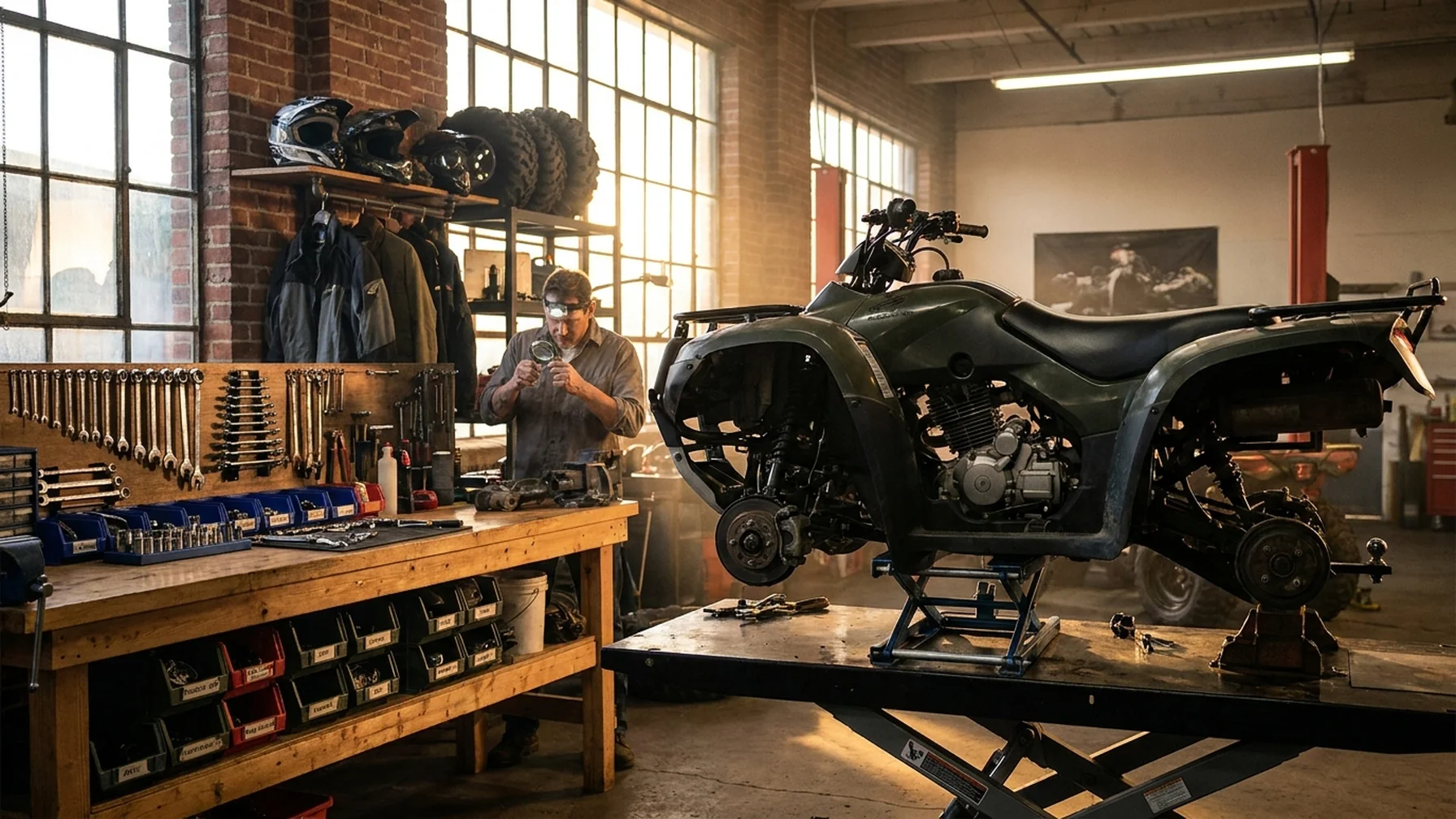
Regular maintenance is essential to keep your ATV running smoothly. Here's a basic checklist to get you started:
- Check and change the oil regularly. Consider using synthetic oil for better performance.
- Inspect the air filter and replace it if necessary, especially after dusty rides.
- Examine tire pressure and tread condition. Under-inflated tires can reduce performance.
- Ensure brakes and controls are functioning properly. Test them before every ride.
- Grease all fittings and check the chain tension. A well-lubricated chain ensures smooth power transfer.
To help you keep track of these tasks, refer to the table below for recommended maintenance intervals:
ATV Maintenance Schedule
| Maintenance Task | Frequency |
|---|---|
| Oil Change | Every 50 hours or 6 months |
| Air Filter Check | After every ride in dusty conditions |
| Tire Pressure Check | Before each ride |
| Brake Inspection | Before each ride |
| Chain Lubrication | Every 10 hours of operation |
By following this checklist and adhering to the recommended schedule, you reduce the risk of mechanical failures during your adventures. For instance, during a weekend trail ride, a clean air filter can prevent engine power loss, allowing you to tackle steep inclines effortlessly.
Understanding ATVs and UTVs: Key Differences
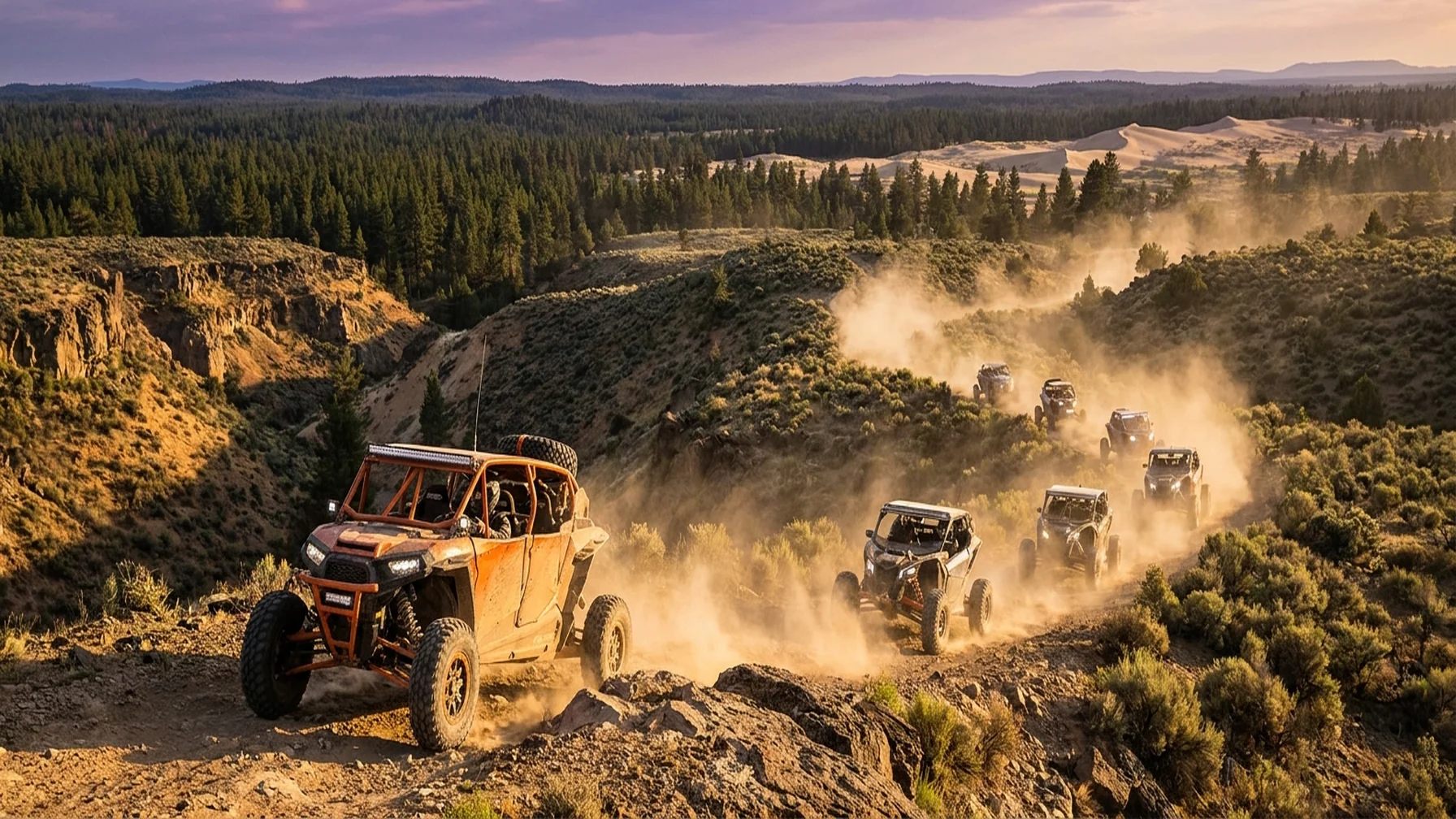
Before diving into maintenance, it's important to recognize the differences between ATVs (All-Terrain Vehicles) and UTVs (Utility Task Vehicles). ATVs are typically smaller, designed for single riders, and are great for more agile, intense rides. UTVs, often called side-by-sides, offer more seating and are built for stability and utility tasks. Knowing your vehicle type helps tailor your maintenance routine.
For example, if you own an ATV, you'll need to pay extra attention to the suspension and steering components due to the more rigorous riding style. Conversely, UTVs may require more frequent checks on their larger tires and additional seating components.
How to Clean Your ATV After a Muddy Ride
Off-road adventures often mean getting muddy. Cleaning your ATV thoroughly after a ride not only maintains its appearance but also prevents damage. Start by hosing down your vehicle to remove loose mud. Then, use a mild detergent and soft brush to scrub away stubborn dirt. Ensure all electrical components are dry before storage.
Consider using a pressure washer for hard-to-reach areas, but be cautious around sensitive parts like the radiator and electrical connections. A friend of mine once skipped drying the components, leading to rust and costly repairs. Always ensure your ATV is dry before storing it.
Preparing Your ATV for Winter
When winter approaches, preparing your ATV for the cold is crucial. Start by changing the oil to a winter-grade option. Check the antifreeze levels and consider using a fuel stabilizer. Store your ATV in a dry, covered area to protect it from the elements.
If you live in an area with heavy snowfall, adding a snow plow or tracks to your ATV can make it a versatile winter vehicle. A rider once shared how his neglected battery froze over winter, rendering his ATV immobile come spring. A battery tender can prevent this by maintaining charge throughout the cold months.
ATV Safety Tips for Beginners
Safety should always be a priority when riding your ATV. Here are some essential tips:
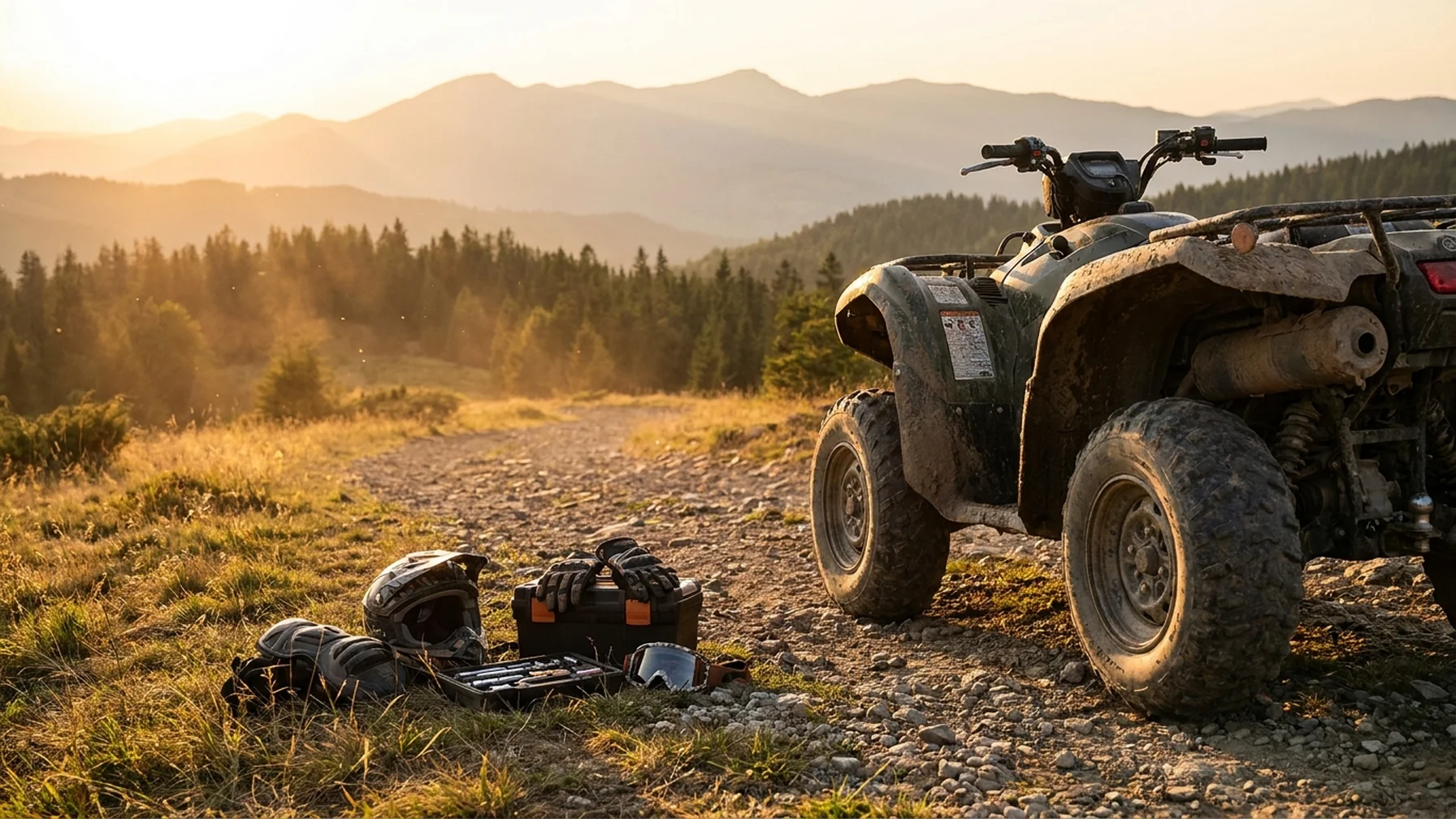
- Always wear appropriate safety gear, including a helmet, gloves, and protective clothing.
- Understand and follow trail etiquette. Yield to uphill riders and stay on marked trails.
- Ride at a safe speed and be aware of your surroundings. Avoid abrupt turns on loose gravel.
- Never ride under the influence of alcohol or drugs. Staying alert prevents accidents.
Sticking to these tips will help ensure a fun and safe experience on the trails. A first-time rider once ignored the helmet rule and suffered a minor fall that could have been serious. Always prioritize safety gear for protection.
Common ATV Riding Mistakes to Avoid
New riders often make common mistakes that can be easily avoided. Avoid overconfidence, which can lead to tackling challenging terrains unprepared. Always check the weather conditions before heading out, as they can drastically affect trail conditions. Lastly, never ignore your ATV's maintenance schedule.
For example, a colleague once ignored a worn-out brake pad, thinking it could last another ride. Mid-trail, the brakes gave out, resulting in a minor crash. Regular checks could have prevented this mishap. Always err on the side of caution and address issues promptly.
Are ATV Tours Worth It?
For beginners, ATV tours can be an excellent way to learn the ropes. These guided experiences typically provide all necessary equipment and instruction, allowing you to focus on enjoying the ride. They can also introduce you to new trails and fellow enthusiasts.
A beginner on one such tour appreciated the structured environment, which helped him gain confidence quickly. The guides offered personalized tips and ensured all safety protocols were followed, making it an educational and enjoyable experience.
Essential Gear for Off-Roading
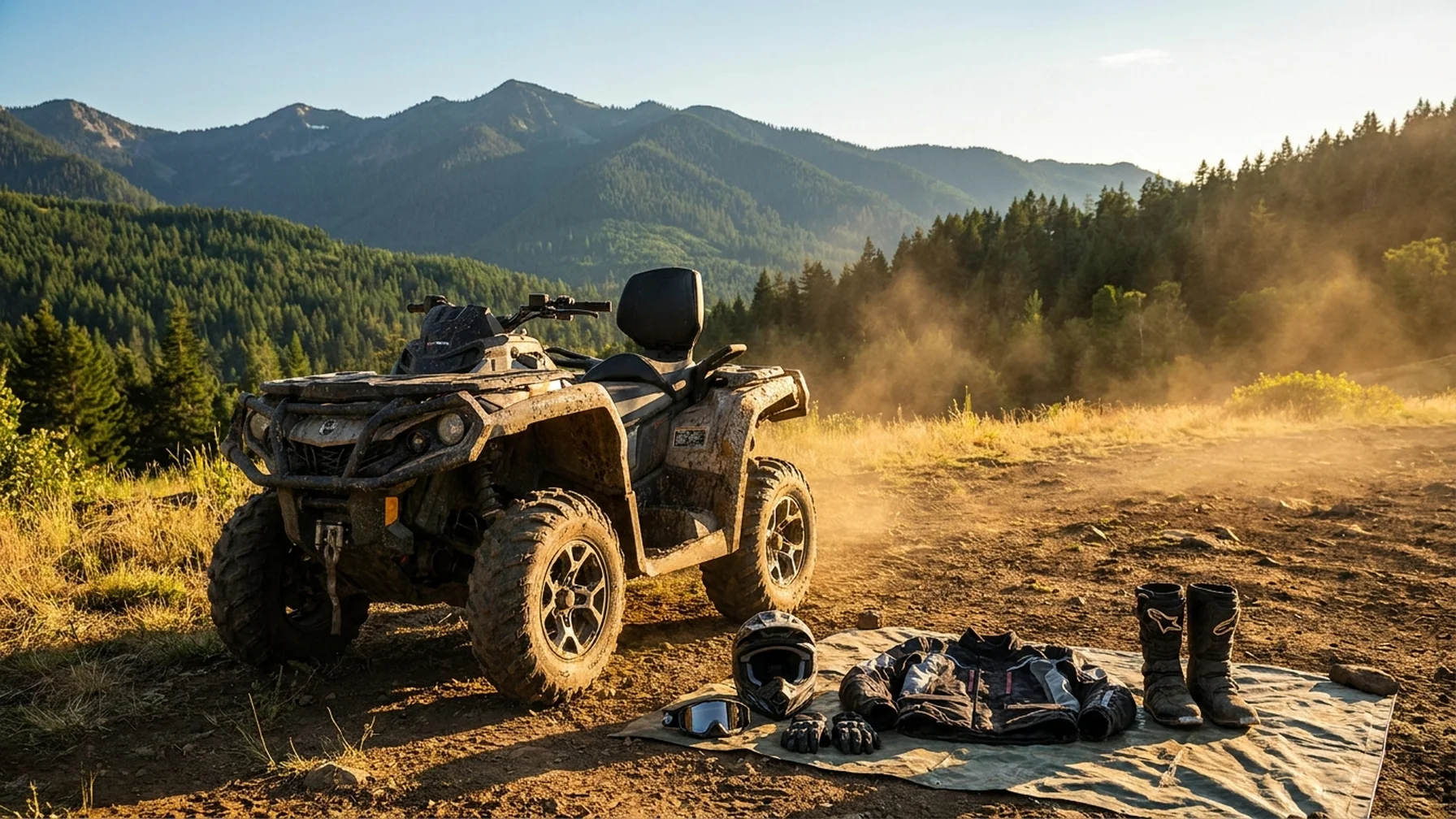
Equipping yourself with the right gear enhances safety and comfort. Essential items include a DOT-approved helmet, goggles, gloves, sturdy boots, and long-sleeve shirts and pants. Investing in quality gear can make a significant difference in your off-road experience.
Consider gear that offers ventilation for hot climates or insulation for colder weather. A friend who invested in a high-quality helmet with a built-in visor found it invaluable during both sunny and rainy rides, providing clear vision without constant adjustments.
Finding the Best Beginner Off-Road Trails
If you're new to ATV riding, starting on beginner-friendly trails can help build your confidence. Look for trails labeled as beginner or easy, as these typically have gentle slopes and are well-marked. Joining local ATV clubs can also provide valuable insights into the best trails in your area.
In my first year of riding, I joined a local club and discovered a hidden gem of a trail that was perfect for honing my skills. Fellow riders shared tips and introduced me to various terrain types that improved my riding abilities.